

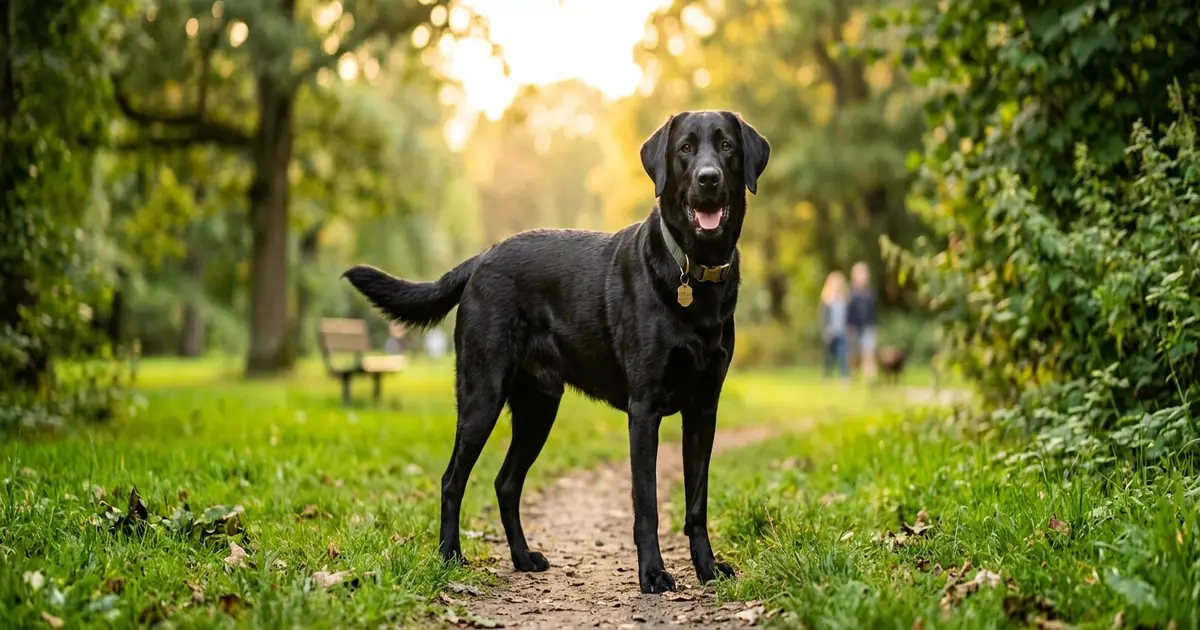
A black labrador and golden retriever mix, better known as a Goldador, pairs a Labrador Retriever with a Golden Retriever, and the black coat comes from a dominant gene on the Labrador side.
That single genetic detail explains a lot about this dog, but it’s far from the whole picture. Size, temperament, health risks, and even how much that black coat is likely to stick around in a litter all depend on factors most breed pages skip over.
Whether you’re weighing a puppy from a breeder or an adult dog from a rescue, the details below cover what actually shapes life with this mix, starting with the basics of what a Goldador is.
What Is a Black Labrador and Golden Retriever Mix?
A Goldador is a first-generation cross between a purebred Labrador Retriever and a purebred Golden Retriever. Breeders sometimes call them “Golden Labs” or “Lab-Golden mixes,” but Goldador is the most common name.
These dogs typically weigh between 55 and 80 pounds and stand 21 to 24 inches tall at the shoulder. Their coat can come in black, yellow, or golden shades, depending on which genes each parent passes down.
Because this is a mixed breed rather than a recognized purebred, no single kennel club sets an official standard for how a Goldador should look or behave. Each litter can vary, even between siblings.
Also Read Can a Golden Retriever Be Black
Coat Color Genetics — Why Some Goldadors Are Black
Golden Retrievers only carry genes for gold and cream coats. Labradors carry genes for black, yellow, and chocolate coats. A black Goldador inherits the black coat gene from its Labrador parent, since this gene is dominant over the golden coloring.
This means a litter from the same two parents can produce puppies in several different colors. One puppy might come out black, while a littermate turns out golden or yellow, depending on which specific genes each puppy inherits.
If you’re set on a black Goldador puppy, ask the breeder about the coat colors of both parents and any previous litters. This gives you a more realistic idea of what to expect, though it’s still not a guarantee.
Coat color has no real effect on temperament or health. A black Goldador behaves and ages the same way a yellow or golden one would, all else being equal.
Labrador Traits vs. Golden Retriever Traits in This Mix
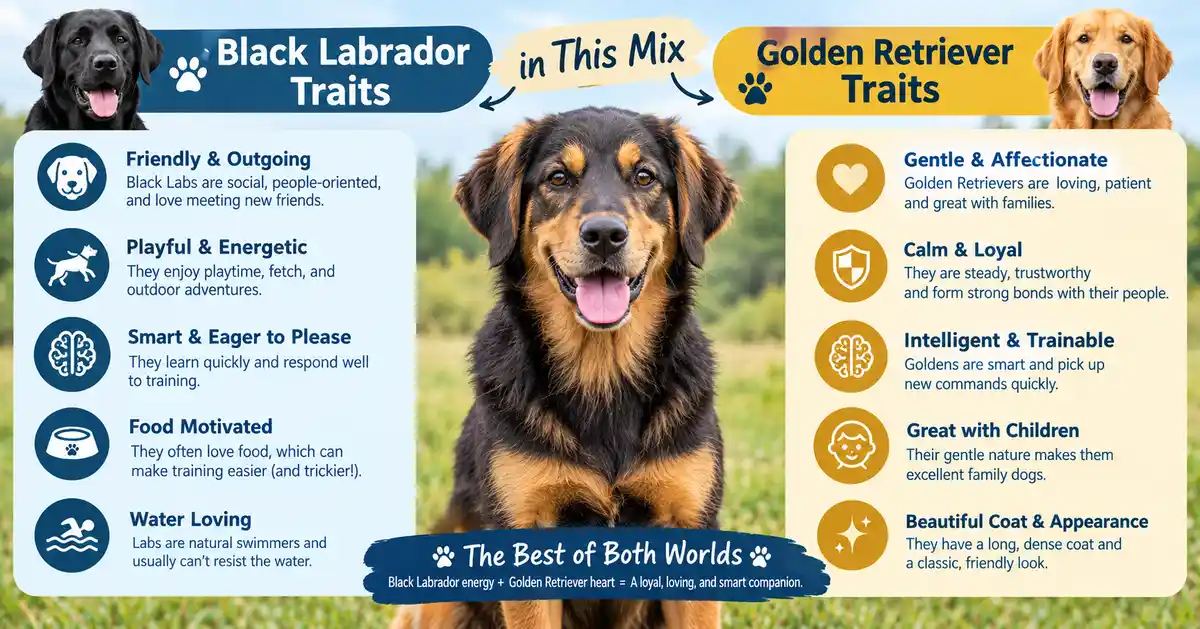
Since a Goldador is a 50/50 cross, understanding each parent breed helps explain why individual dogs can differ so much from one another.
What They Inherit From the Labrador Side
Labradors tend to be food-motivated, high-energy, and eager to please. This often shows up in the mix as strong retrieving instincts, a love of water, and quick trainability when food rewards are involved.
What They Inherit From the Golden Retriever Side
Golden Retrievers are typically gentler, more sensitive to tone of voice, and deeply affectionate. In the mix, this can produce a dog that’s cuddlier and more attuned to human emotions, sometimes at the cost of being slightly less food-driven than a purebred Lab.
Most Goldadors land somewhere between these two personalities. Some lean closer to the confident, work-focused Labrador side, while others take after the softer, more people-pleasing Golden Retriever side.
Size, Growth, and Life Expectancy
Adult Goldadors generally weigh between 55 and 80 pounds, with males usually falling at the heavier end of that range. Height at the shoulder runs from 21 to 24 inches, similar to both parent breeds.
Most Goldadors reach their full adult height by around 12 to 15 months, though they may continue filling out in muscle and weight until closer to age two.
Life expectancy for a black lab golden retriever mix typically falls between 10 and 12 years. This is roughly in line with the average lifespan of both parent breeds, though individual health, diet, and exercise all play a role.
| Trait | Typical Range |
| Weight | 55–80 lbs |
| Height | 21–24 inches |
| Life expectancy | 10–12 years |
| Adult size reached | 12–15 months |
Personality and Temperament
Goldadors are known for a gentle temperament and an affectionate nature, which makes them popular choices as great family pets. They tend to be patient with children and generally get along well with other dogs.
Most Goldadors are eager to please and enjoy being close to their people. Separation anxiety can develop in some individuals if they’re left alone for long stretches without enough mental or physical activity beforehand.
Their friendly nature also means they typically aren’t strong guard dogs. A Goldador is more likely to greet a stranger with a wagging tail than to bark a warning, which is part of why this mix shows up so often as an assistance, guide, or service dog. The same intelligence and retrieving instinct that make fetch fun also make it easier to train a Goldador for tasks like picking up dropped items or guiding someone safely through a space.
Daily Exercise and Mental Stimulation Needs
Goldadors need real, consistent exercise, not just a quick walk around the block. Aim for 60 to 90 minutes of physical activity a day, split across two or more sessions.
Good options include:
- Fetch or retrieving games, which suit their natural instincts
- Swimming, which both parent breeds tend to enjoy and which is easier on the joints
- Long walks or light jogging for dogs past their growth phase
- Structured play with other dogs
Mental stimulation matters just as much as physical exercise. Puzzle feeders, scent games, and short training sessions help prevent boredom, which is often behind chewing, digging, or excessive barking in under-exercised dogs.
Coat Care and Shedding Levels
Goldadors have moderate to heavy shedding levels, since both parent breeds shed year-round with heavier seasonal sheds in spring and fall. Weekly brushing helps manage loose hair, and daily brushing during shedding season keeps things more under control.
A slicker brush or undercoat rake works well for most Goldador coats. Bathing every 6 to 8 weeks is usually enough unless your dog gets into something messy, since over-bathing can dry out the skin and coat.
Check ears regularly, especially after swimming. Both parent breeds are prone to ear infections, and floppy ears combined with water exposure can trap moisture.
Behavior Training Basics
Goldadors respond well to positive reinforcement, particularly food-based rewards inherited from the Labrador side. Short, consistent training sessions tend to work better than long, infrequent ones.
Start basic obedience training and socialization early, ideally as soon as a puppy comes home and has had appropriate vaccinations. Early exposure to different people, sounds, and environments helps prevent fearfulness later on.
Common challenges with this mix include mouthing or nipping as puppies, jumping up to greet people, and pulling on the leash if walking isn’t practiced consistently. None of these are difficult to correct with patience and repetition, but they do require consistency from everyone in the household.
Because Goldadors are intelligent, they can also learn bad habits quickly if inconsistent rules are allowed to slide. Clear, consistent boundaries from day one make training noticeably easier.
also read Labrador Retriever vs. Golden Retriever
Best Food Options and Nutrition Needs

A high-quality dog food formulated for medium-to-large breeds suits most Goldadors well. Look for a formula where a named animal protein, such as chicken or salmon, is listed as the first ingredient.
Because both parent breeds are prone to weight gain, portion control matters more than food brand for keeping a Goldador healthy. Follow feeding guidelines based on your dog’s actual weight and activity level, and adjust if you notice weight creeping up.
Puppies typically need a large-breed puppy formula to support controlled bone growth, since growing too fast can strain developing joints. If you’re unsure which food or portion size fits your specific dog, a veterinarian can help you set an appropriate feeding plan.
Common Health Issues to Watch For
Goldadors can inherit health conditions common to both parent breeds. Being aware of these risks helps you catch problems early and ask the right questions before adopting or buying a puppy.
- Hip and elbow dysplasia: A malformation of the joint that can cause pain and arthritis over time. Ask breeders whether both parents have OFA or PennHIP hip and elbow clearances.
- Obesity: Both parent breeds gain weight easily, which raises the risk of joint problems and other conditions. Regular exercise and portion control help manage this.
- Bloat (gastric dilatation-volvulus): A serious, potentially life-threatening condition more common in deep-chested breeds. Feeding smaller meals and avoiding vigorous exercise right after eating can lower the risk.
- Ear infections: Floppy ears and a love of water make ear infections more likely. Regular checks and drying after swimming help prevent this.
- Eye conditions: Progressive retinal atrophy and other inherited eye issues appear in both parent breeds. Ask breeders about eye clearance testing.
Reputable breeders will happily share health clearance documentation for both parents. If a breeder can’t or won’t provide this, treat it as a warning sign.
For general guidance on hereditary health screening in dogs, review the American Kennel Club’s health screening guidelines before you commit to a puppy or breeder.
Common Misconceptions About This Mix
“Mixed breeds are automatically healthier than purebreds.” This idea, often called hybrid vigor, has some truth to it, but it isn’t a guarantee. Since Labradors and Golden Retrievers share several of the same joint and eye conditions, a Goldador can still inherit either parent’s health risks.
“Goldadors are hypoallergenic.” Neither parent breed is hypoallergenic, and neither is this mix. Goldadors shed, and people with dog allergies should spend time with the specific dog before assuming it will be a good fit.
“You’ll definitely get a black puppy if you want one.” Coat color depends on genetics that even breeders can’t fully control. A litter can include a mix of colors, so there’s no guaranteed way to secure a black puppy from every pairing.
Black Labrador and Golden Retriever Mix Puppy: What to Expect
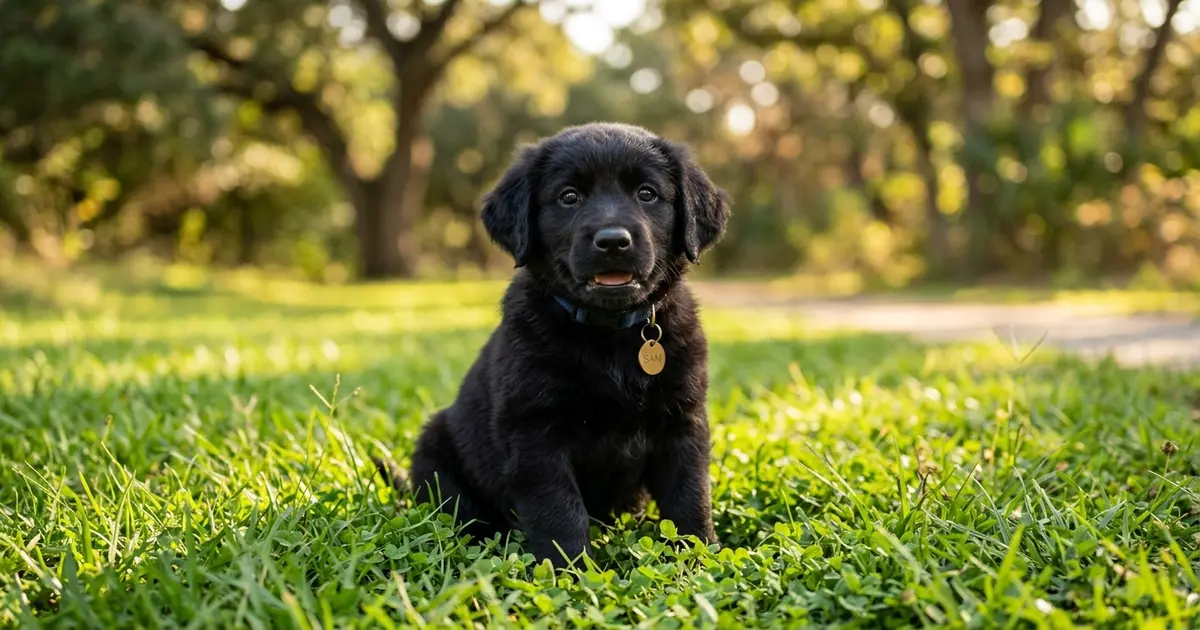
A black labrador and golden retriever mix puppy needs the same early care as any large-breed puppy: proper nutrition, gradual socialization, and gentle introduction to handling, grooming, and basic commands.
Expect black lab and golden retriever mix price to range roughly from $500 to $1,500 from a breeder, depending on location, breeder reputation, and demand for the litter. Adoption through a rescue or shelter is often less expensive, typically $100 to $400, and comes with the benefit of supporting a dog in need of a home.
When looking for a puppy, prioritize breeders who health-test both parents and let you meet at least one parent dog in person. Avoid sellers who can’t answer basic questions about the puppy’s background or refuse to provide health documentation.
Rescue organizations and shelters sometimes have Goldador puppies or adults available, and adult dogs often come with a known temperament, which can make them easier to place in the right home.
Is This Mix Right for You?
A Goldador tends to suit active households with space to let a medium-to-large dog move around, whether that’s a house with a yard or regular access to parks and trails. Apartment living is possible but requires a real commitment to daily outdoor exercise.
Families with children often do well with this mix, given its typically patient and affectionate temperament. First-time dog owners can usually handle a Goldador too, as long as they’re prepared for consistent training and a genuine daily exercise routine.
This breed mix may not be the best fit for households that are away from home for long hours regularly, since Goldadors can develop separation-related behavior issues without enough companionship and stimulation.
Frequently Asked Questions
Are black lab and golden retriever mixes good for first-time owners?
Yes, in most cases. Their trainability and eagerness to please make them manageable for new owners, as long as daily exercise and consistent training are part of the routine from the start.
Do Goldadors bark a lot?
Not typically. They’re generally more likely to greet visitors happily than bark defensively, though individual personality and training play a role.
Are Goldadors good with other pets?
Usually yes. Both parent breeds tend to be sociable, and with proper introductions, Goldadors typically get along well with other dogs and even cats.
How much grooming does a black Goldador need?
Weekly brushing is enough most of the year, increasing to daily during heavier seasonal shedding. Regular ear checks are also important given their swimming habits.
Conclusion
A black labrador and golden retriever mix combines the trainability of a Labrador with the gentle, affectionate nature of a Golden Retriever, wrapped in a coat color that comes down to genetics rather than guarantee. They fit well into active families willing to provide consistent exercise, training, and health care.
If you’re considering one, focus your search on breeders or rescues that prioritize health testing and transparency. Meeting the puppy’s parents when possible remains one of the best ways to predict the temperament and health of the dog you’ll bring home.

Hi, I’m Jack Austin, founder of Cool Goldens. I share practical, research-backed advice on training, nutrition, and daily care to help you give your Golden Retriever the happiest, healthiest life possible.