

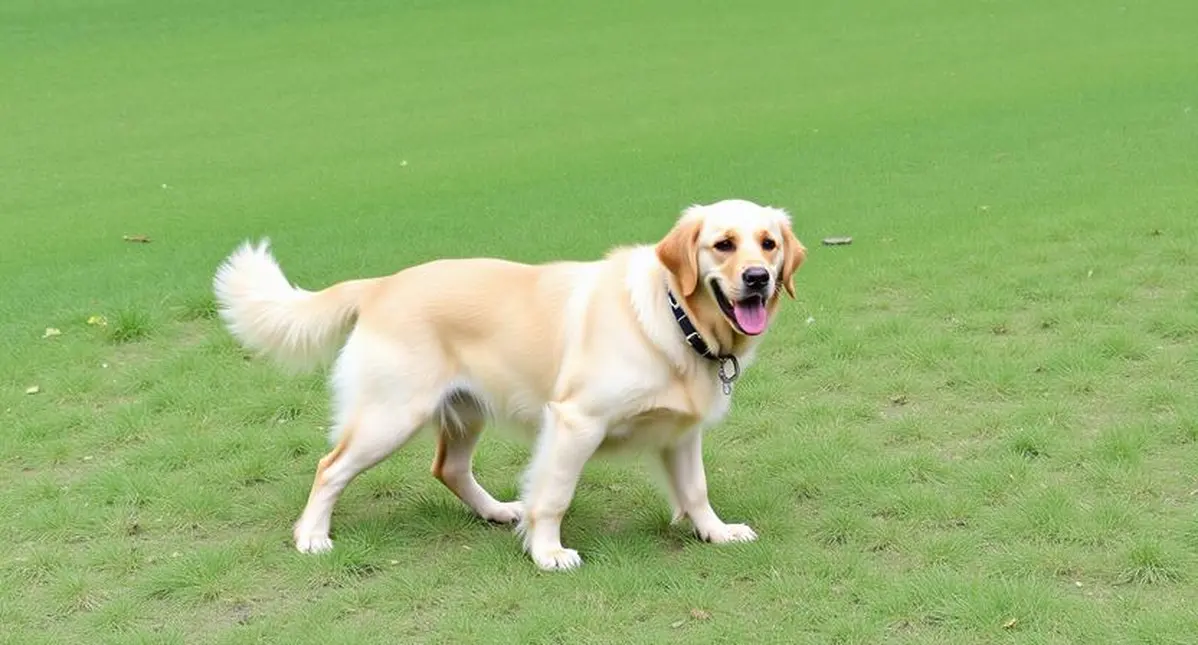
Golden Retrievers pant so much because they’re basically wearing a winter coat year-round, even in July. That thick double coat traps heat, so panting becomes their built-in air conditioner. Add in their love of running, swimming, and greeting every human they meet like a long-lost friend, and heavy breathing is just part of the package.
Most of it is nothing to worry about. But there’s a real difference between “I just chased a squirrel” panting and panting that means something else is going on, and that’s what this guide sorts out.
Why Do Golden Retrievers Pant So Much? (Quick Answer)
These dogs pant a lot mainly because of their dense double coat, which traps heat close to the body. Add in their size, muscle mass, and enthusiasm for physical activity, and panting becomes their main tool for staying cool.
Dogs release very little heat through their skin. Panting moves air quickly across the tongue, mouth, and upper airway, which cools the blood before it circulates back through the body. For a breed built like the Golden Retriever, this system works overtime compared to smaller or short-haired dogs.
In short: more coat, more muscle, more activity adds up to more panting. That’s typically nothing to worry about. The sections below explain how to tell normal panting from panting that signals a problem.
How Panting Works as a Golden Retriever’s Cooling System
Dogs have sweat glands, but only in their paw pads. That’s not enough surface area to cool down an active, muscular dog on a warm day. Panting fills that gap.
When a Golden Retriever pants, air moves rapidly over the moist surfaces of the tongue and airway. Moisture evaporates, and that evaporation pulls heat away from the blood vessels close to the surface. It’s a simple, effective system, but it takes more effort in dogs with heavier coats.
Why the Double Coat Makes a Difference in Heat Regulation
A Golden Retriever’s coat has two layers: a soft undercoat and a coarser topcoat. Together, they insulate the dog from cold and, to some extent, from direct sun. That same insulation also holds heat in.
This is why Golden Retrievers often pant more than short-coated breeds of a similar size, even at the same temperature. The coat isn’t a design flaw. It’s a trade-off between weather protection and heat release, and panting exists to balance that out.
Normal Panting vs. Warning Signs: How to Tell the Difference
Most panting fits a predictable pattern: it starts after exercise, excitement, or heat exposure, and it settles down once the dog rests, cools off, or calms down. Panting that doesn’t follow that pattern deserves closer attention.
| Normal Panting | Warning Signs |
| Starts after activity, heat, or excitement | Starts suddenly with no clear trigger |
| Breathing is steady and open-mouthed | Breathing sounds labored, raspy, or strained |
| Gums and tongue stay pink | Gums or tongue look pale, blue, or purple |
| Dog settles down within 20–30 minutes of rest | Panting continues non-stop despite rest and cooling |
| Dog is alert and responsive | Dog seems weak, wobbly, or disoriented |
If you notice anything in the right-hand column, treat it as a signal to check in with your vet rather than wait it out. A quick way to think about this: normal panting has an obvious cause and an end point. Concerning panting either has no clear cause or doesn’t stop.
Everyday Reasons Your Golden Retriever Pants a Lot
Most of the time, panting comes down to a short list of everyday triggers. None of these need medical treatment on their own.
- Exercise: Running, fetching, or swimming raises body temperature fast, and panting is the recovery response.
- Warm weather: Even mild heat can trigger heavier panting in a breed with this much coat.
- Excitement: Greeting you at the door or seeing another dog can bring on panting that has nothing to do with temperature.
- Puppy energy: Golden Retriever puppies often pant hard after short bursts of play, since they haven’t learned to pace themselves yet.
A puppy panting hard right after a play session, then settling within a few minutes, is normal. The pattern to watch for is panting that lingers well past the point where a puppy has calmed down and rested.
Panting Caused by Stress, Fear, or Separation Anxiety
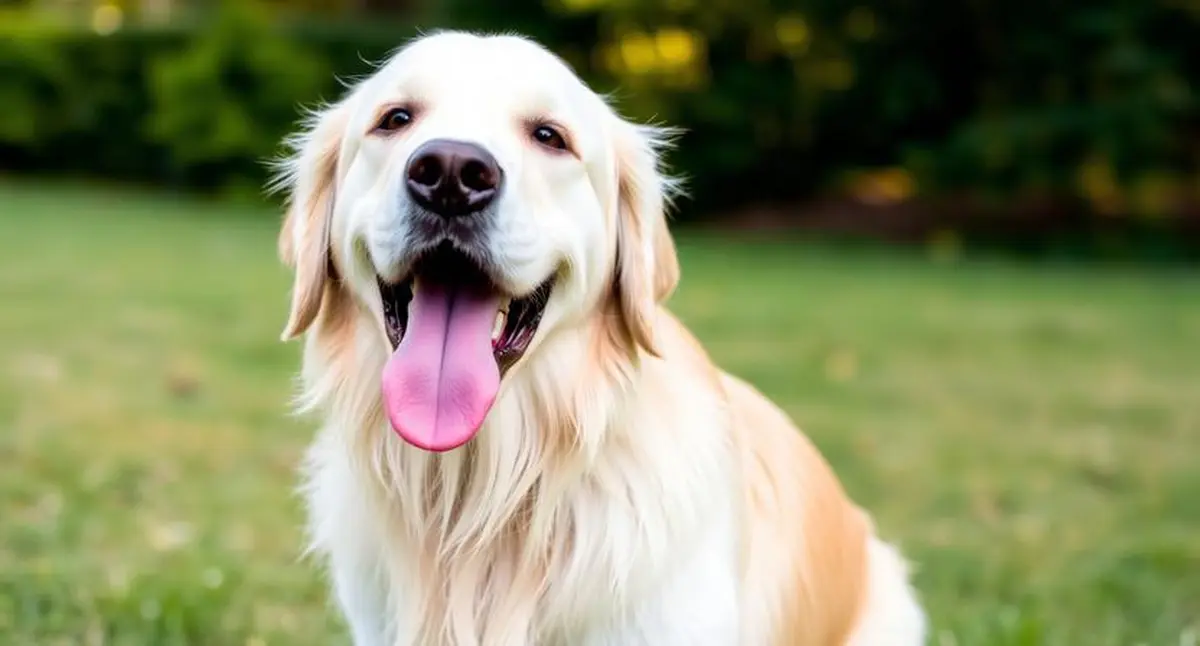
Not all panting is about temperature. Golden Retrievers are social, sensitive dogs, and stress-induced panting is common in this breed.
Loud noises like thunderstorms, fireworks, or vacuum cleaners can trigger panting tied to fear rather than heat. You might also notice pacing, lip licking, or trying to hide alongside it.
Separation anxiety is another frequent cause. A dog left alone may pant, whine, or become destructive, especially in the first 30 minutes after you leave. This kind of panting usually shows up with other stress behaviors, not on its own, which helps tell it apart from heat-related panting.
If stress panting happens often, working with a trainer or vet on anxiety management can help. Ongoing stress isn’t just uncomfortable for the dog; it can affect their overall wellbeing over time.
When Sudden or Increased Panting Signals a Health Issue
Some causes of panting need medical attention rather than a fan and some water. These are less common than the everyday triggers, but they’re worth knowing about.
- Pain or injury: A dog in pain may pant even at rest, often alongside limping, reluctance to move, or changes in posture.
- Allergic reactions: Panting combined with swelling, hives, or vomiting can point to an allergic response.
- Heart or respiratory conditions: Heart disease can reduce how well oxygen moves through the body, leading to panting that doesn’t match activity level.
- Cushing’s disease: This hormonal condition, more common in middle-aged and older dogs, often causes persistent panting along with increased thirst, appetite changes, and a pot-bellied appearance.
- Medication side effects: Some medications, including certain steroids, list panting as a known side effect.
Sudden Panting in Older Golden Retrievers
Panting that develops or worsens with age deserves particular attention. Conditions like arthritis, Cushing’s disease, and heart problems become more common as Golden Retrievers get older, and panting is often one of the earlier signs.
If your senior dog’s panting has changed noticeably over the past few weeks or months, it’s worth mentioning at their next vet visit, even if nothing else seems obviously wrong.
Golden Retriever Panting at Night or While Resting: Should You Worry?
Panting during the day, after a walk or a hot afternoon, rarely raises concern. Panting at night or while your dog is fully at rest is a different story, since there’s usually no obvious trigger like heat or exercise involved.
A few possibilities worth considering:
- Room temperature: A warm bedroom, especially in summer, can be enough to trigger panting on its own.
- Discomfort or pain: Older dogs with joint pain sometimes pant more once they lie still, since resting can make stiff joints more noticeable.
- Anxiety: Some dogs pant at night due to unresolved stress from earlier in the day.
- Underlying medical conditions: Persistent nighttime panting, especially with no clear trigger, is one of the more reliable signs vets look for when checking for Cushing’s disease or heart issues.
If your dog pants heavily at night on a regular basis, and it’s not explained by a warm room, it’s reasonable to bring this up with your vet rather than assume it will resolve on its own.
How to Help Your Golden Retriever Cool Down and Pant Less
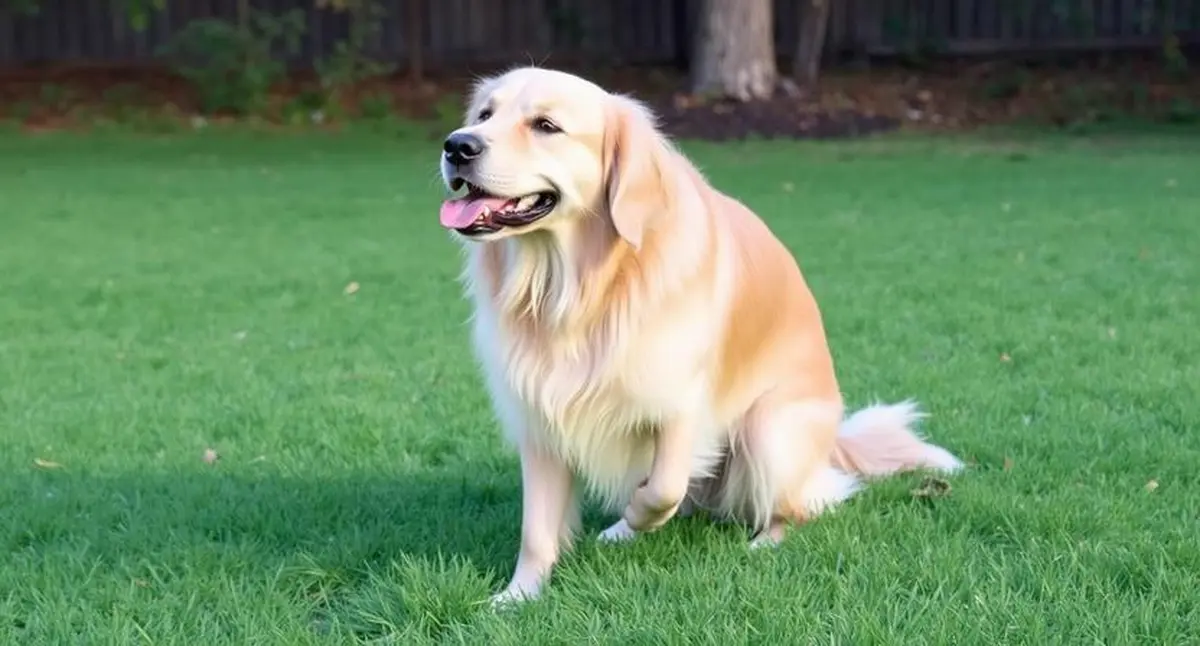
For everyday, heat- or activity-related panting, a few practical steps make a real difference.
Hydration: Keep fresh water available at all times, and offer water breaks during exercise, especially in warm weather. Dogs that pant heavily lose fluid quickly.
Timing walks and play: Exercise during cooler parts of the day, early morning or evening, rather than midday heat. This alone prevents a lot of unnecessary panting.
Grooming and seasonal shedding: Regular brushing during seasonal coat shedding removes loose undercoat and helps the remaining coat regulate heat more effectively. Shaving a Golden Retriever’s coat isn’t recommended, since the coat also protects against sunburn and helps regulate temperature in both directions.
Cooling tools: A cooling mat, a fan, or access to shade can help a dog recover faster after activity. Some owners also use a damp towel on the belly and paws, which cools the body without the shock of cold water.
Weight management: Extra body weight makes heat harder to release. Keeping your Golden Retriever at a healthy weight supports easier breathing and less strain during activity.
FAQs About Golden Retriever Panting
How many breaths per minute is normal for a Golden Retriever?
A resting dog typically breathes between 15 and 30 times per minute. After exercise, this rate rises temporarily and should return to normal within 20 to 30 minutes of rest.
Can diet affect how much my dog pants?
Diet doesn’t directly cause panting, but being overweight makes panting more frequent and more intense. A balanced diet that supports a healthy weight can reduce unnecessary strain.
Is it normal for a Golden Retriever to pant more in summer than winter?
Yes. Warmer temperatures naturally increase panting, especially in a breed with this much coat. Consistent, seasonal changes in panting are expected and not a cause for concern on their own.
When should I actually call the vet about panting?
Call your vet if panting starts suddenly with no clear cause, doesn’t stop after rest and cooling, or comes with pale or blue gums, weakness, or labored breathing. When in doubt, a quick call is always reasonable.
Can anxiety medication help with stress-induced panting?
In some cases, yes. A vet can assess whether a dog’s anxiety is frequent or severe enough to benefit from medication, alongside behavioral strategies like training or environmental changes.
Key Takeaway
Golden Retrievers pant more than many breeds due to their coat, size, and activity level, and most of it is completely normal. The exceptions worth watching for are panting with no clear trigger, panting that doesn’t stop with rest, or panting paired with other symptoms like pale gums or weakness.
If your dog’s panting pattern changes noticeably, especially with age, it’s worth a conversation with your vet rather than waiting to see if it passes on its own. For general reference on canine health topics like this, the American Veterinary Medical Association is a solid starting point.

Hi, I’m Jack Austin, founder of Cool Goldens. I share practical, research-backed advice on training, nutrition, and daily care to help you give your Golden Retriever the happiest, healthiest life possible.