

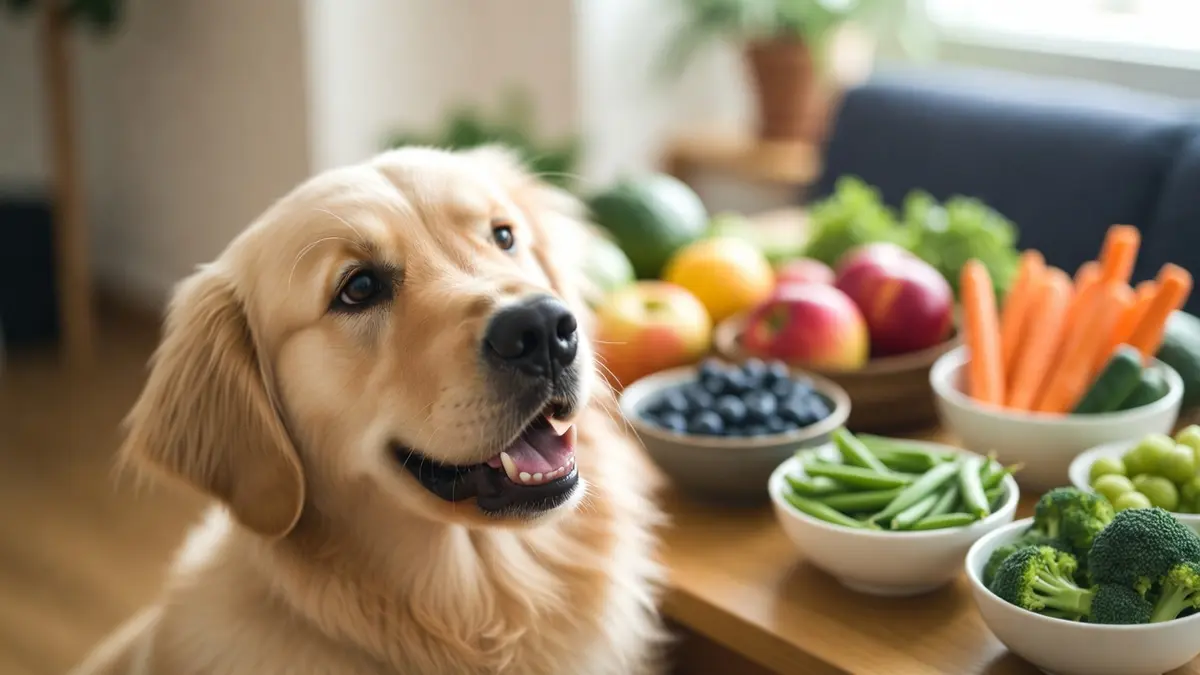
Golden Retrievers can eat a wide range of human foods, including chicken, apples, carrots, and pumpkin, but a handful of common items are genuinely dangerous. Grapes and xylitol top that short list.
This guide covers exactly which foods are safe, which need special handling, and which to keep away from your dog entirely. No guesswork, no vague warnings, just clear answers organized by food type so you can check before you feed
What Golden Retrievers Can and Can’t Eat
Golden Retrievers can safely eat most fruits, vegetables, and lean proteins in moderation. Grapes, raisins, onions, garlic, chocolate, and xylitol (a sweetener found in sugar-free gum and peanut butter) are toxic and should never be fed, even in small amounts.
Here’s a fast reference table for the foods covered in this guide:
| Food | Safe? | Notes |
| Apples | Yes | Remove seeds and core |
| Bananas | Yes | Feed in small pieces |
| Blueberries | Yes | Great low-calorie treat |
| Carrots | Yes | Raw or cooked |
| Chicken | Yes | Cooked, no bones or skin seasoning |
| Eggs | Yes | Fully cooked |
| Grapes | No | Toxic, can cause kidney failure |
| Green beans | Yes | Plain, no added salt |
| Peanut butter | Yes | Only xylitol-free varieties |
| Pumpkin | Yes | Plain, canned or cooked |
| Strawberries | Yes | Remove the stem |
| Sweet potatoes | Yes | Cooked, no skin |
| Tomatoes | Limited | Ripe flesh only, avoid stems and leaves |
| Watermelon | Yes | Remove seeds and rind |
Even safe foods should stay a small part of your dog’s diet. Treats and extras should make up no more than 10% of daily calories, with the rest coming from a complete, balanced dog food.
Why Golden Retrievers Need Special Care With Human Food
Golden Retrievers are food-motivated dogs. They tend to eat quickly and don’t always self-regulate portions, which raises the risk of weight gain and stomach upset from table scraps.
This breed is also prone to certain health conditions, including obesity and joint problems, that get worse with excess weight. A dog carrying extra pounds puts more strain on hips and elbows, areas Golden Retrievers are already genetically prone to struggle with.
Their size means a “small” mistake, like eating a few grapes, can still deliver a dangerous dose of a toxin. Always base portion decisions on your dog’s actual size and health status, not just general breed guidelines.
Learn more about our post Golden Retrievers Weigh
Fruits Golden Retrievers Can Eat Safely
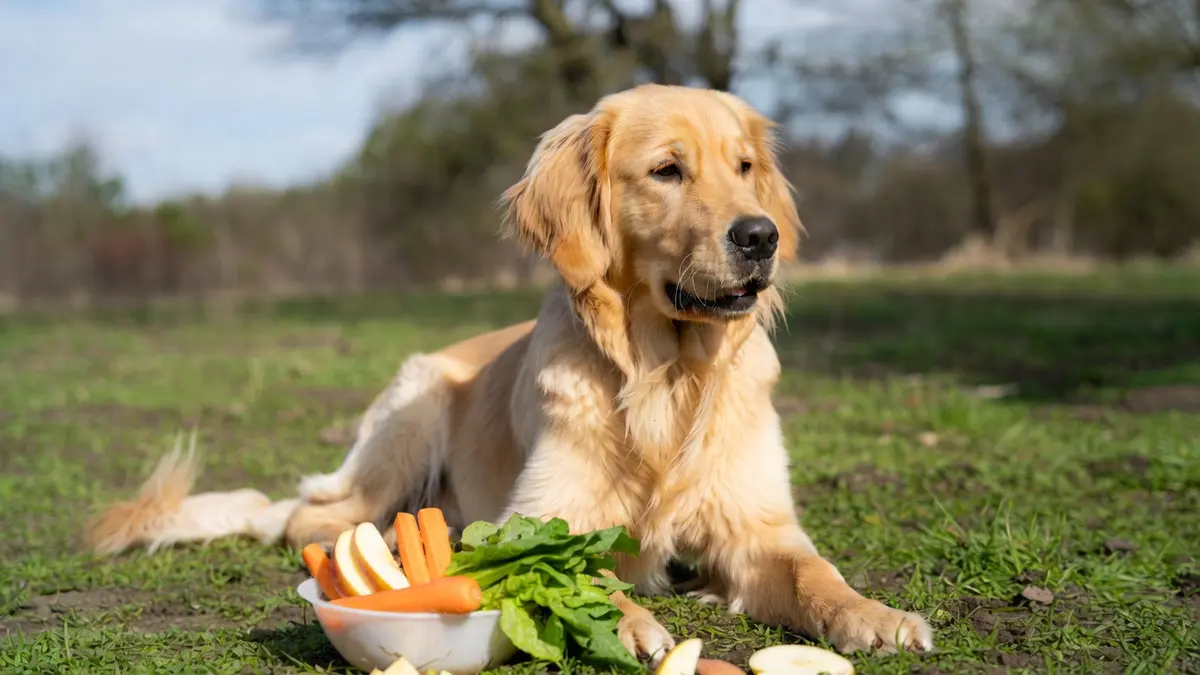
Fruit makes a good low-calorie treat option for Golden Retrievers, as long as you remove seeds, pits, and tough skins first.
Can Golden Retrievers Eat Apples?
Yes, apples are safe and offer fiber and vitamin C. Always remove the core and seeds first, since apple seeds contain small amounts of cyanide compounds that build up with repeated exposure.
Slice the apple into bite-sized pieces to prevent choking, especially in older dogs or fast eaters.
Can Golden Retrievers Eat Watermelon?
Watermelon is safe and a good hot-weather treat because of its high water content. Remove the rind and seeds before feeding, as both can cause digestive blockages.
Stick to a small handful of cubed watermelon rather than a full slice.
Bananas, Blueberries, and Strawberries
Bananas are safe in small amounts but higher in sugar than other fruits, so a few slices are enough. Blueberries are one of the lowest-calorie fruit options and work well as training treats. Strawberries are safe too, once you remove the green stem, and contain natural antioxidants.
Grapes: Why This Fruit Is Dangerous
Grapes and raisins are toxic to dogs, including Golden Retrievers, and can cause sudden kidney failure. Researchers haven’t pinpointed the exact toxic compound, which makes it impossible to say a “safe” amount exists.
If your dog eats grapes or raisins, contact your veterinarian or an animal poison control line right away, even if no symptoms appear yet.
Vegetables Safe for Golden Retrievers
Most vegetables are safe for Golden Retrievers and add fiber, vitamins, and water content to their diet without many extra calories.
Carrots, Green Beans, and Sweet Potatoes
Carrots can be fed raw or cooked and double as a natural teeth-cleaning snack. Green beans are low in calories and safe plain, without added salt or butter. Sweet potatoes are safe once cooked and peeled, since the skin can be harder to digest.
Pumpkin and Tomatoes: What to Know
Plain canned or cooked pumpkin (not pumpkin pie filling) is often used to help firm up loose stool because of its fiber content. Tomatoes are safe in small amounts, but only the ripe, red flesh. The stems, leaves, and unripe green tomatoes contain a compound called solanine, which can upset a dog’s stomach.
Protein and Pantry Foods: Chicken, Eggs, and Peanut Butter
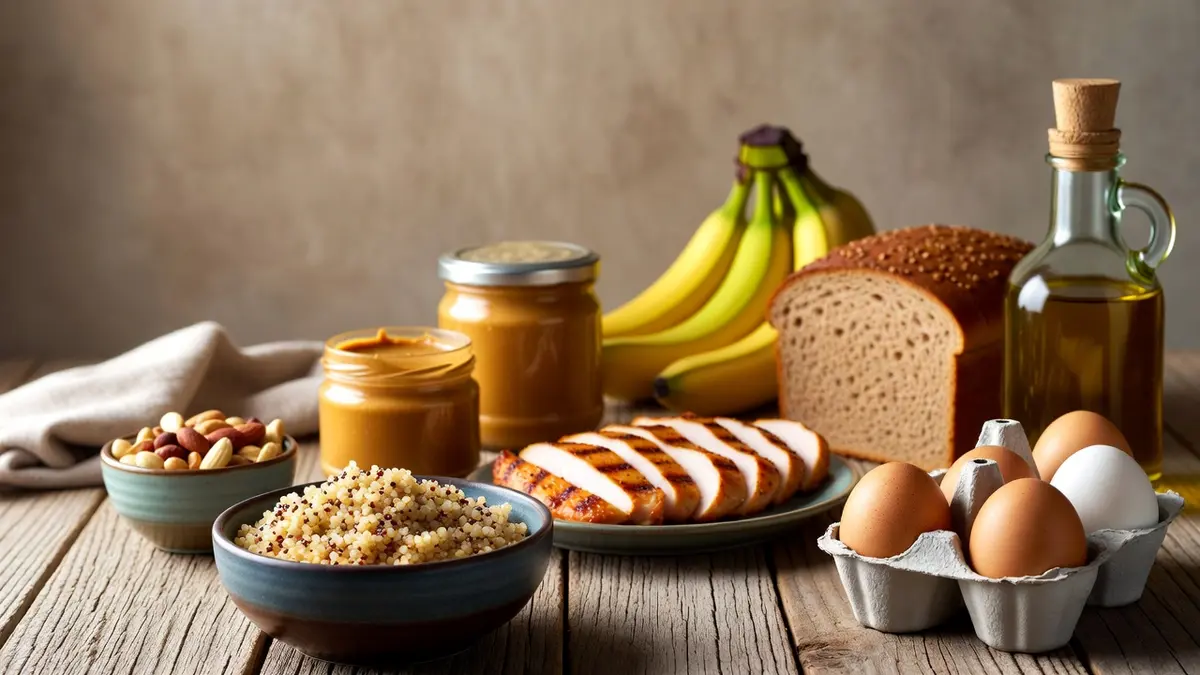
Cooked chicken is a safe, lean protein source for Golden Retrievers. Always remove bones and skip heavy seasoning, garlic, or onion, since cooked bones can splinter and cause internal injury.
Eggs are safe when fully cooked and offer a good source of protein. Scrambled or hard-boiled, without added butter or salt, works best.
Peanut butter is a popular training treat, but check the label carefully. Some brands use xylitol as a sweetener, and this ingredient is highly toxic to dogs even in tiny amounts. Choose a plain, xylitol-free peanut butter and feed it in small amounts due to its fat content.
How to Safely Introduce New Foods to Your Golden Retriever
Introducing a new food the right way lowers the risk of an upset stomach or an unnoticed allergic reaction. A few practical steps make this process safer:
- Start small. Offer a teaspoon-sized portion first, not a full serving.
- Wait 24 hours before introducing another new food, so you can tell what caused any reaction.
- Watch for symptoms like vomiting, diarrhea, or itching over the following day.
- Skip seasoning entirely. Salt, garlic, onion powder, and butter aren’t safe additions, even to otherwise safe foods.
- Keep portions consistent once a food is confirmed safe, rather than increasing the amount over time.
This approach applies to every food on the safe list above, not just new or unusual ones.
Mistakes Owners Make When Feeding Table Scraps
A common misconception is that “natural” or “healthy” human foods are automatically safe for dogs. Avocado, for example, is popular in human diets but contains persin, a compound that can cause digestive upset in dogs.
Another mistake is assuming a small amount of a toxic food won’t cause harm. With grapes, xylitol, and chocolate, there’s no established safe threshold, so even a small quantity carries real risk.
Some owners also feed cooked bones, believing they’re safer than raw ones. Cooking actually makes bones more likely to splinter, which raises the risk of choking or internal injury, not lowers it.
Finally, feeding from the table during meals can create begging habits that are hard to break later, even if the food itself is safe.
Signs of Food Poisoning or an Allergic Reaction
Knowing the warning signs helps you act quickly if your Golden Retriever eats something risky. Common symptoms include:
- Vomiting or diarrhea
- Loss of appetite or unusual lethargy
- Excessive drooling
- Swelling around the face or hives
- Difficulty breathing
- Tremors or seizures (in cases of severe toxicity)
If your dog shows any of these symptoms after eating a new food, or you know they’ve eaten something toxic like grapes or chocolate, contact your veterinarian immediately. For general poisoning guidance, the ASPCA Animal Poison Control Center is a reliable resource to keep saved in your phone.
Learn more about our post Ringworm in Golden Retriever
Frequently Asked Questions
Can Golden Retriever puppies eat the same foods as adult dogs?
Puppies can eat most of the same safe foods, but in smaller portions since their stomachs are more sensitive. Introduce new foods even more gradually with puppies than you would with adult dogs.
How often can I give my Golden Retriever fruits and vegetables?
A few times a week is reasonable for most healthy adult dogs, as long as treats stay under 10% of daily calories. Daily feeding is fine for low-calorie options like green beans or blueberries.
Can Golden Retrievers eat dairy products like cheese or yogurt?
Many dogs, including Golden Retrievers, have some difficulty digesting lactose. Small amounts of plain yogurt are often tolerated, but cheese should stay an occasional treat due to its fat content.
What should I do if my dog eats something toxic?
Contact your veterinarian or an animal poison control line right away. Don’t wait for symptoms to appear, since early treatment often leads to better outcomes.
Key Takeaway
Most fruits, vegetables, and lean proteins are safe for Golden Retrievers when prepared plain and given in moderation. The real risk usually comes from a handful of specific foods, like grapes, xylitol, and cooked bones, along with portion sizes that add up over time.
Keep a mental list of the toxic foods, introduce anything new slowly, and check with your veterinarian if you’re ever unsure about a specific food or your dog’s reaction to it.

Hi, I’m Jack Austin, founder of Cool Goldens. I share practical, research-backed advice on training, nutrition, and daily care to help you give your Golden Retriever the happiest, healthiest life possible.