

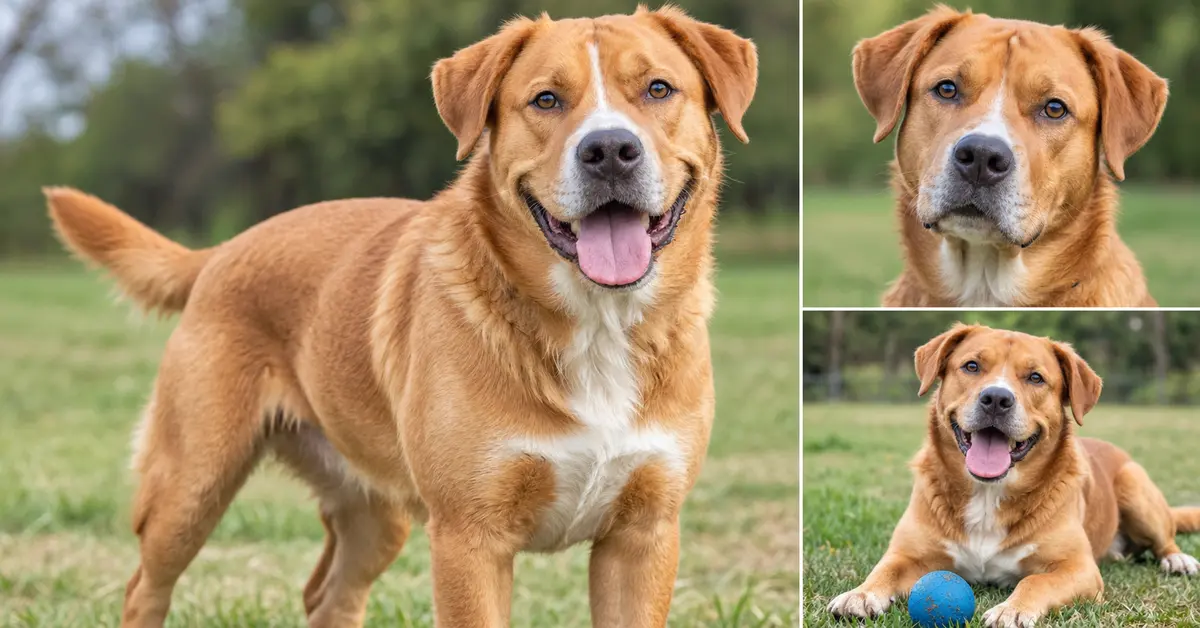
A golden retriever and pitbull mix pairs one of the most easygoing family dogs with a breed that carries a reputation far tougher than its actual temperament tests suggest.
The result is a medium-to-large hybrid, usually 40 to 80 pounds, that leans loyal, energetic, and surprisingly gentle when raised right. What makes this cross tricky isn’t its personality so much as its unpredictability — two puppies from the same litter can grow up looking and acting nothing alike.
Some of that comes down to genetics, but a lot of it comes down to breed myths that don’t hold up under real research, along with legal and cost questions most guides skip entirely. This one covers all of it, starting with what actually shapes how these dogs turn out.
Where This Hybrid Dog Comes From
Golden Retriever Parentage
Golden Retrievers were originally bred in Scotland during the 1800s to retrieve waterfowl for hunters. Breeders wanted a dog that was gentle enough to carry birds without damaging them, which is part of why the breed developed such a soft mouth and calm disposition. Over time, the Golden became one of the most popular family dogs in the world, known for patience, trainability, and a strong desire to please.
American Pitbull Terrier Parentage
The American Pitbull Terrier traces back to bull-baiting and terrier stock in 19th century England, later refined in the United States as a farm and companion dog. Despite a reputation shaped heavily by media coverage, temperament testing organizations have repeatedly found the breed to score well on standardized behavior evaluations. Pitbulls are typically muscular, athletic, and intensely loyal to their families.
Because both parent breeds have well-documented histories, the mix itself is harder to trace. Breeders likely started combining these two dogs within the past couple of decades as interest in designer breeds grew, though no formal breed registry tracks exactly when or where the pairing began.
What Does a Golden Retriever and Pitbull Terrier Mix Look Like?
Coat Types and Colors
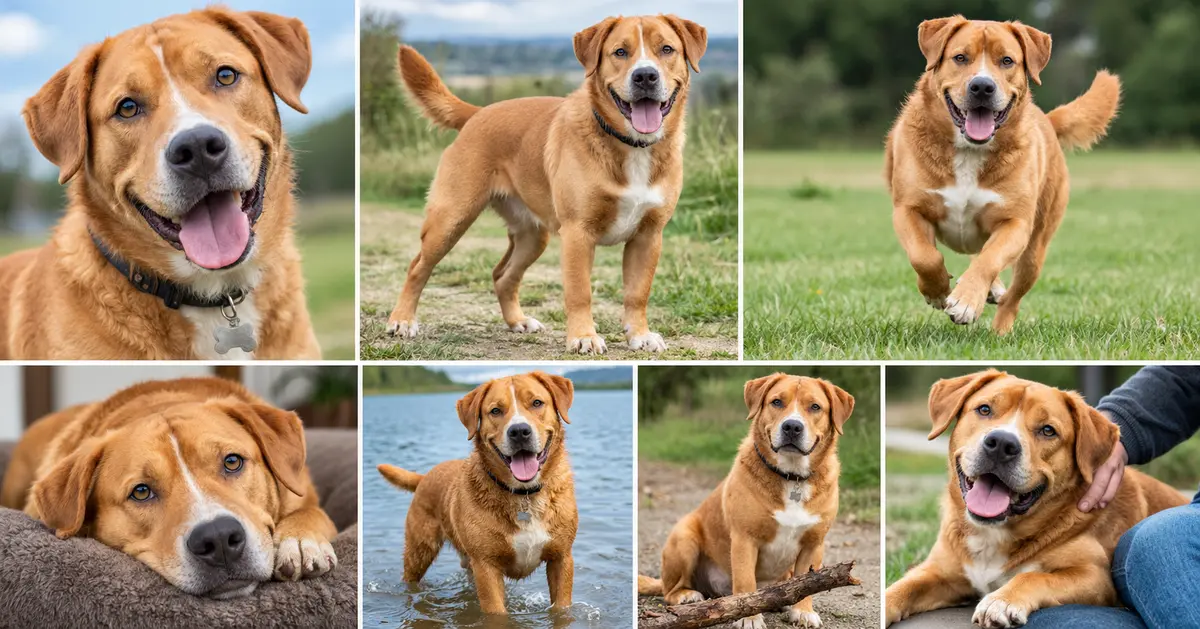
Coat length and texture depend heavily on which parent’s genes dominate. Some puppies inherit the Golden’s longer, wavy coat, while others end up with the short, smooth coat typical of Pitbulls. Colors range from golden and cream to brown, black, or white, and some dogs show bicolor patterns.
| Trait | Typical Range |
| Coat length | Short to medium-long |
| Coat texture | Smooth to slightly wavy |
| Common colors | Golden, cream, brown, black, white, bicolor |
| Shedding | Low to moderate, varies by coat type |
Why Appearance Varies So Much
First-generation crosses between two different breeds tend to produce more physical variation than later generations, because the puppies inherit a fresh, unpredictable combination of genes from both sides. This is a normal part of how mixed breeds work, not a flaw in the dog. If you want a better idea of what a specific puppy might look like as an adult, looking at both parent dogs in person is more reliable than relying on breed averages alone.
Size Comparison: How Big Do These Dogs Get?
This mix falls into the medium-to-large category, typically weighing between 40 and 80 pounds and standing 17 to 24 inches at the shoulder. Males tend to run larger and heavier than females, though individual size still depends on which parent breed contributes more to a specific puppy’s build.
For comparison, a purebred Golden Retriever usually weighs 55 to 75 pounds, while an American Pitbull Terrier typically weighs 30 to 60 pounds. A dog from this cross can land anywhere within or slightly beyond that combined range. Because of this variation, it’s worth asking a breeder or shelter about the size of both parent dogs before committing, especially if space at home is limited.
Personality Traits and Behavior
Core Personality Traits
This hybrid tends to be affectionate, alert, and eager to be near its people. Many owners describe these dogs as having the Golden’s warmth paired with the Pitbull’s confidence, creating a companion that’s both social and protective. Curiosity runs high in this mix, and these dogs often want to be involved in whatever their family is doing.
Behavior Around the House
Left alone too long, this breed can develop separation anxiety, since both parent breeds bond closely with their owners. Chewing, pacing, or excessive barking are common signs that a dog isn’t getting enough attention or mental stimulation. A moderate prey drive inherited from the Pitbull side means small pets or fast-moving animals may trigger a chase response, so early exposure and consistent boundaries matter more than punishment-based correction.
Intelligence Level and Trainability
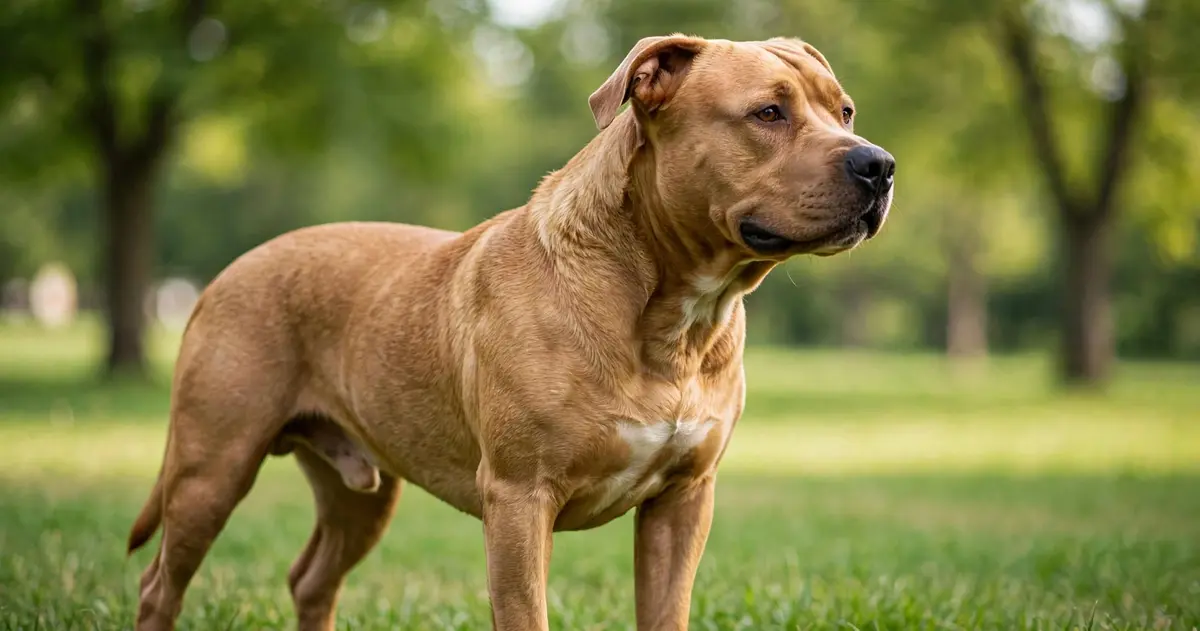
Both parent breeds rank as highly trainable, and this mix generally inherits that same eagerness to learn. Golden Retrievers are known for picking up commands quickly, while Pitbulls bring focus and physical stamina to training sessions. Together, these traits usually produce a dog that responds well to structure.
Reward-based methods work better than harsh corrections with this breed. Short, consistent sessions using treats, praise, and play tend to hold their attention longer than repetitive drilling, since this mix can get bored if training feels stale. Basic obedience, leash manners, and recall should start early, ideally by 8 to 10 weeks of age, and continue through adolescence when independent testing behavior tends to peak.
Interaction With Kids and Other Pets
Around Children
This mix generally does well with kids, especially when raised alongside them from puppyhood. Their sturdy build lets them tolerate rougher play better than smaller breeds, though supervision still matters, particularly with toddlers who may not understand how to read a dog’s body language. Teaching children not to pull ears or tails, and to recognize signs a dog wants space, reduces the chance of an accidental nip.
Around Other Animals
Socialization with other dogs and animals early in life makes a noticeable difference in how this breed behaves as an adult. Many of these dogs get along fine with other dogs, particularly ones they’re raised with. Cats and smaller pets require closer introductions, since prey drive inherited from the Pitbull side can lead to chasing if a dog isn’t properly socialized around smaller animals from a young age.
also read Golden Retrievers Good With Kids
Common Myths About Golden Retriever and American Pitbull Mixes
One persistent myth is that any dog with Pitbull ancestry is inherently more dangerous than other breeds. Standardized temperament testing has not supported this claim, and Pitbull-type dogs frequently score comparably to, or better than, many other breeds on aggression measures. Public perception of this breed has been shaped more by media coverage of isolated incidents than by broad behavioral data.
Another myth claims that mixed breeds are automatically healthier or automatically less predictable than purebreds across the board. Neither is entirely accurate. Hybrid dogs can inherit health advantages from a wider gene pool, but they can just as easily inherit conditions common to either parent breed. A third misconception is that a dog’s behavior can be reliably predicted just from knowing its breed mix, which recent genetic research has directly challenged, as covered in the next section.
What Research Says About Mixed-Breed Temperament and Health
A large genetic study led by researchers at UMass Chan Medical School, published in the journal Science, analyzed genetic data from more than 2,000 purebred and mixed-breed dogs alongside behavior surveys from over 18,000 dog owners. The researchers found that breed alone accounted for only about 9 percent of the behavioral variation seen between individual dogs, meaning factors like environment, training, and individual genetics play a much larger role than breed labels suggest (Ancestry-inclusive dog genomics challenges popular breed stereotypes, Science).
This matters directly for a mixed breed like this one. It means a golden retriever and pitbull mix’s actual temperament will depend heavily on how it’s raised, trained, and socialized, not just on the two breeds listed in its ancestry. Owners shouldn’t assume a dog will automatically behave a certain way just because of what breeds appear in its background.
Daily Exercise and Activity Needs
Exercise by Life Stage
Puppies need shorter, more frequent bursts of activity, since their joints are still developing and too much high-impact exercise can cause damage. Around 15 to 20 minutes of structured play a few times a day works better than one long session. Adult dogs typically need 60 to 90 minutes of exercise daily, split between walks, off-leash play, and mentally engaging activities like puzzle toys or scent games. Senior dogs still need regular movement, but shorter walks and lower-impact activities help protect aging joints while keeping them active.
Early Socialization and Training Tips
The socialization window for puppies runs roughly from 3 to 14 weeks of age, and exposure during this period has a lasting effect on adult temperament. Introducing a puppy to different people, sounds, surfaces, and other animals during this window builds confidence and reduces fearful or reactive behavior later on.
Beyond basic obedience, this breed benefits from structured impulse-control exercises, since both parent breeds can be strong-willed. Teaching a solid “leave it” and “wait” command early helps manage prey drive around smaller animals. Enrolling in a puppy class between 8 and 16 weeks, once a veterinarian confirms it’s safe based on vaccination status, gives puppies supervised exposure to other dogs in a controlled setting.
Grooming and Coat Care

Grooming needs shift depending on coat type. Dogs with a longer, Golden-like coat need brushing two to three times a week to prevent matting and manage shedding, while short-coated dogs usually only need brushing once a week. Bathing should happen only as needed, generally every 4 to 6 weeks, since over-bathing can strip natural oils and lead to dry, irritated skin.
Routine care should also include nail trims every 3 to 4 weeks, regular ear checks since floppy ears trap moisture, and teeth brushing several times a week to prevent dental disease. Professional grooming every couple of months can help manage a longer coat, though it isn’t strictly necessary for dogs with shorter fur.
Common Health Issues in This Hybrid Breed
Conditions Inherited From Golden Retriever Lines
Golden Retrievers carry an elevated risk for certain cancers, including hemangiosarcoma and lymphoma, along with hip and elbow dysplasia and heart conditions like subvalvular aortic stenosis. This ancestry can pass these risks along to the mix.
Conditions Inherited From Pitbull Lines
Pitbull-type dogs are prone to skin allergies, hip dysplasia, and certain thyroid conditions. Their muscular build also puts some strain on joints over time, particularly in dogs that carry excess weight.
Recommended Health Screenings
Reputable breeders test parent dogs for hip and elbow dysplasia through OFA or PennHIP evaluations, along with cardiac clearances and thyroid panels. Asking to see this paperwork before buying a puppy is one of the most reliable ways to reduce the risk of inherited health problems.
also read Ringworm in Golden Retriever
Lifespan and Long-Term Care
This mix typically lives between 8 and 14 years, landing between the two parent breeds’ average lifespans. Genetics, weight management, and consistent veterinary care all influence how long an individual dog lives. Annual checkups become especially important after age 7, when routine bloodwork can catch developing issues like kidney changes or early-stage arthritis before symptoms become obvious.
Maintaining a healthy weight throughout life reduces strain on joints and lowers the risk of several chronic conditions. Dogs that stay lean throughout adulthood generally experience fewer mobility problems in their senior years compared to dogs that carry excess weight.
Feeding and Nutrition Needs
Portion sizes depend on a dog’s weight, age, and activity level rather than a single fixed amount. As a general starting point, an adult dog in this weight range typically needs between 2 and 3.5 cups of quality dry food per day, split into two meals. Puppies need smaller, more frequent meals formulated specifically for growth, since large-breed puppy formulas help regulate calcium intake and support healthy bone development.
A veterinarian can calculate a more precise feeding plan based on a dog’s exact weight, body condition score, and any health considerations. Overfeeding is a common issue in this breed given their food motivation, so measuring meals rather than free-feeding helps prevent unwanted weight gain.
What It Costs to Own This Breed
Puppy prices for this cross generally range from $500 to $1,500, depending on the breeder, location, and demand. Adoption from a rescue typically costs far less, often between $50 and $300, and usually includes spaying or neutering along with initial vaccinations.
| Expense Category | Estimated Annual Cost |
| Food | $300–$600 |
| Routine vet care | $200–$500 |
| Grooming supplies | $50–$150 |
| Pet insurance | $300–$600 |
| Toys and enrichment | $100–$200 |
First-year costs run higher due to spaying/neutering, initial vaccines, and setup supplies like a crate and leash. Pet insurance is worth researching early, since some providers apply breed-specific restrictions or higher premiums for Pitbull-type mixes regardless of the dog’s individual temperament.
Finding a Golden Retriever and Pitbull Mix Responsibly
Choosing a Reputable Breeder
A responsible breeder will provide health clearances for both parent dogs, allow you to meet at least the mother in person, and welcome questions about temperament and living conditions. Avoid breeders who can’t produce health testing paperwork or who seem eager to rush the sale.
Adopting From a Shelter or Rescue
Pitbull-type dogs and their mixes are significantly overrepresented in shelters across the country, which means adoption is often the more accessible and affordable route. Many rescues also conduct temperament assessments before adoption, giving potential owners a clearer picture of an individual dog’s personality before bringing them home.
Legal Restrictions and Insurance Considerations

Because this mix carries visible or documented Pitbull ancestry, it can fall under breed-specific legislation in certain cities, counties, or countries that restrict or ban Pitbull-type dogs. Some landlords and homeowners insurance policies also exclude or add surcharges for Pitbull mixes regardless of an individual dog’s behavior.
Before bringing one of these dogs home, checking local ordinances and reviewing your homeowner’s or renter’s insurance policy can prevent a difficult situation later. Some insurance providers offer coverage regardless of breed but may require a temperament evaluation or additional liability coverage.
Mixed Breed Benefits: Why Some Owners Prefer Hybrid Dogs
Mixed breeds often benefit from a wider gene pool, which can reduce the concentration of inherited conditions common in some purebred lines, a phenomenon sometimes referred to as hybrid vigor. This doesn’t guarantee a healthier dog, but it can lower certain risks compared to breeding within a narrow gene pool.
Hybrid dogs also tend to offer a blend of traits that some owners find appealing, combining the best-known qualities of two breeds into one companion. The tradeoff is reduced predictability, since a mixed breed’s exact traits are harder to forecast than those of a dog with generations of consistent breed standards behind it.
Golden Retriever Pitbull Mix vs. Similar Breeds
| Breed | Weight | Energy Level | Trainability | Shedding |
| Golden Retriever Pitbull Mix | 40–80 lbs | High | High | Low–Moderate |
| Purebred Golden Retriever | 55–75 lbs | Moderate–High | High | High |
| American Pitbull Terrier | 30–60 lbs | High | High | Low |
| Golden Retriever Boxer Mix | 45–75 lbs | High | Moderate–High | Moderate |
This comparison shows that the golden retriever and pitbull mix generally lands closest to its Pitbull parent for shedding, while leaning toward its Golden side for trainability. Energy needs stay high across nearly every option in this table, so anyone considering a lower-energy dog may want to look outside this general category.
Is This Hybrid Dog Right for You?
This dog tends to suit active households that can commit to daily exercise, consistent training, and plenty of social interaction. Families with a fenced yard, time for long walks, and patience for puppyhood energy tend to have the best experience with this breed.
This mix may not be the right fit for apartment dwellers without easy outdoor access, households that are gone for long stretches each day, or owners in areas with strict breed-specific legislation. Checking local laws and insurance policies before adopting saves a lot of potential heartache down the road.
Frequently Asked Questions
Is a golden retriever and pitbull mix dangerous?
No credible evidence supports the idea that this specific mix is inherently dangerous. Temperament depends far more on individual upbringing, socialization, and training than on breed ancestry, according to genetic research on canine behavior.
How much does a golden retriever pitbull mix puppy typically cost?
Puppies from breeders generally range from $500 to $1,500, while shelter or rescue adoption typically costs between $50 and $300, often including spay/neuter surgery and initial vaccinations.
Do golden retriever and pitbull mixes shed a lot?
Shedding ranges from low to moderate depending on which parent’s coat type dominates. Dogs with a shorter, Pitbull-like coat generally shed less than those with a longer, Golden-like coat.
Can this breed live in an apartment?
It’s possible with a strong exercise routine, but this high-energy mix generally does better with yard access and daily opportunities to run and play than in a small apartment setting.
If you’re considering adding this hybrid to your family, start by researching local breed-specific laws and insurance policies before falling in love with a specific puppy. From there, connect with a reputable breeder or local rescue, ask for health clearances or temperament assessments, and plan for daily exercise and early socialization from the moment your dog comes home.

Hi, I’m Jack Austin, founder of Cool Goldens. I share practical, research-backed advice on training, nutrition, and daily care to help you give your Golden Retriever the happiest, healthiest life possible.