


A chihuahua golden retriever mix pairs two breeds that couldn’t look more different on paper, and that contrast is exactly what makes this cross so unpredictable. One puppy might grow up broad and golden-coated like a small retriever. Its littermate could end up compact, alert, and unmistakably chihuahua in attitude.
That range confuses a lot of people searching for this mix, especially since so little reliable information exists about it compared to more common designer breeds. This guide breaks down what actually happens when these two breeds combine, from the size variation and health risks to the realistic day-to-day care this dog needs.
What Is a Golden Chi?
A Golden Chi is a first-generation cross between a Golden Retriever and a Chihuahua. Given the massive size gap between the two breeds, breeding only works in one direction: the Golden Retriever serves as the mother, and sperm from a Chihuahua father is used through artificial insemination. Natural mating isn’t physically possible between these two breeds.
The result is a dog that typically weighs somewhere between 15 and 30 pounds, though that range is wide because genetics from both parents combine unpredictably. Most Golden Chis have a tan or golden coat, moderate energy, and a temperament that blends the retriever’s easygoing nature with the chihuahua’s alertness. Life expectancy usually falls between 11 and 15 years, landing between the typical lifespans of each parent breed.
Is This a Common or Recognized Mix?
This crossbreed is not common, and it isn’t recognized by any major kennel club. Breeding it requires deliberate intervention rather than a natural pairing, which limits how many litters exist at any given time. If you’re searching for one, expect a smaller pool of breeders than you’d find for more popular designer mixes like Goldendoodles or Cockapoos.
Why Natural Breeding Isn’t Possible Between the Two Breeds
The size difference between a Golden Retriever and a Chihuahua rules out natural mating entirely. A female Chihuahua carrying a Golden Retriever’s offspring would face serious, likely fatal complications during pregnancy and delivery. That’s why the pairing only works with a Golden Retriever mother and a Chihuahua father, never the reverse.
This directional requirement also affects litter size and consistency. Golden Retrievers typically produce larger litters than Chihuahuas, but a cross like this doesn’t follow standard breeding patterns for either parent breed, so outcomes in puppy count and health can vary more than they would within a single breed.
How Breeders Produce This Cross
Producing a Golden Chi requires artificial insemination performed by a veterinarian or an experienced breeding professional. Sperm is collected from a Chihuahua and used to inseminate a Golden Retriever during her fertile window. This process demands more veterinary oversight than standard breeding, which adds to the cost and rarity of these puppies.
Because of the specialized process involved, reputable breeders working with this cross tend to be small-scale and selective. If a breeder claims their dogs mate naturally, that’s a warning sign worth taking seriously, since it isn’t physically realistic given the size disparity.
also read Corgi and Golden Retriever Mix
Golden Retriever Traits That Show Up in the Mix

Golden Retrievers are known for being friendly, patient, and eager to please, and these traits often carry over strongly in the mix. Many Golden Chis inherit a gentle disposition around people, including children, along with the retriever’s tendency to bond closely with their family.
Physically, the golden coat color and moderate-to-long fur length frequently come from this side of the family tree. Golden Retrievers also bring a generally trainable nature, since the breed was developed to work closely with handlers during hunting retrieval tasks. That cooperative instinct often makes the mix easier to teach basic commands compared to a purebred Chihuahua.
Health-wise, Golden Retrievers carry known risks for certain cancers and joint conditions, which can pass down to mixed offspring in some cases. These traits don’t guarantee anything in an individual dog, but they shape the general tendencies breed experts watch for in this cross.
Chihuahua Characteristics That Show Up in the Mix
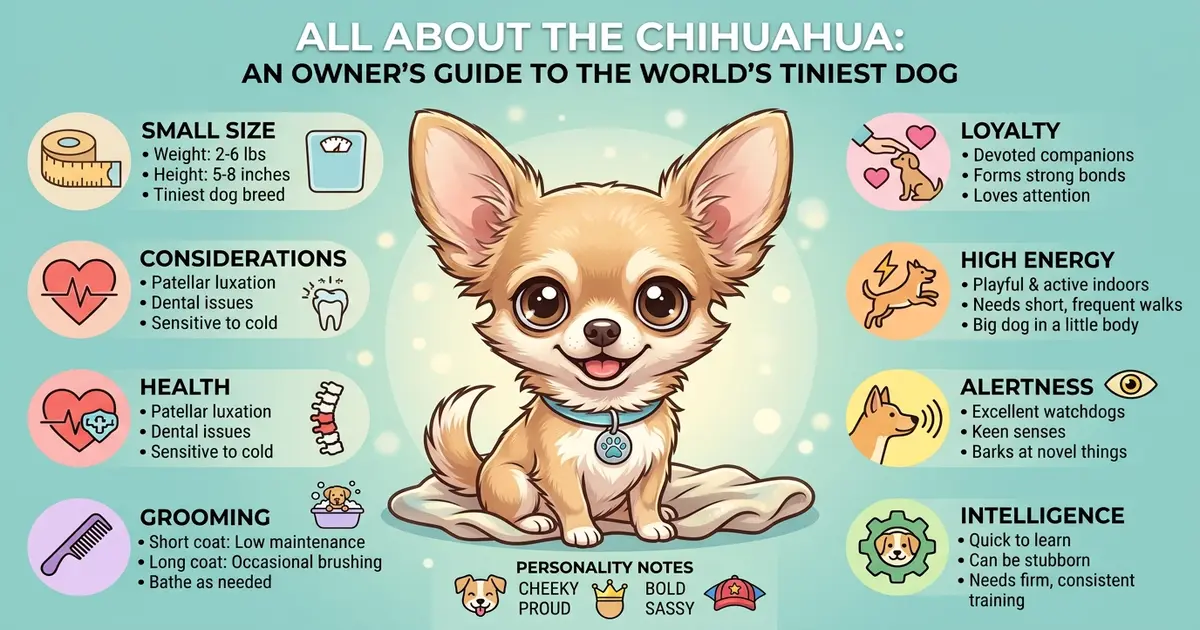
Chihuahuas contribute a distinct personality edge to this mix, often described as alert, bold, and sometimes a little stubborn. Many Golden Chis show this vocal, watchful side, barking at unfamiliar sounds or visitors more readily than a purebred Golden Retriever typically would.
Physically, the compact bone structure and smaller stature frequently trace back to the Chihuahua parent, which is part of why the size range across this mix varies so widely. Some Golden Chis end up noticeably smaller and more delicate-boned than others in the same litter.
Chihuahuas are also known for forming intense attachments to one or two people, sometimes leading to wariness around strangers. This trait can show up in the mix as a dog that’s affectionate at home but reserved in new situations, a contrast to the more universally friendly reputation Golden Retrievers carry on their own.
Size and Weight: Why the Range Varies So Widely
The 15 to 30 pound weight range for this mix reflects just how differently genetics can combine between two breeds at opposite ends of the size spectrum. A Golden Retriever typically weighs 55 to 75 pounds, while a Chihuahua rarely exceeds 6 pounds, so offspring can land almost anywhere between those extremes depending on which genes dominate.
Height follows a similar pattern, with some Golden Chis standing closer to a small-to-medium dog’s height and others staying noticeably lower to the ground. Bone structure, ear shape, and even leg proportions can vary meaningfully within the same litter, since no single trait predictably wins out.
What Determines Whether a Puppy Leans Bigger or Smaller
Multiple genes control body size in dogs, and they don’t all sit on the same chromosome. During reproduction, genetic material shuffles in ways that can group more “small” variants together in one puppy and more “large” variants in another, even from identical parents. This explains why littermates from the same breeding can differ substantially in adult size.
There’s no reliable way to predict which direction an individual puppy will lean before it’s fully grown. Breeders and owners typically won’t know a Golden Chi’s final size until the dog reaches full maturity, usually around 12 to 18 months old.
What Does a Full-Grown Golden Chi Look Like?
A full-grown Golden Chi typically displays a mix of features from both parent breeds rather than looking clearly like one or the other. Common traits include a golden or tan coat, a moderately rounded head shape, and ears that can range from the Golden Retriever’s floppy set to a more upright, alert Chihuahua-style ear.
Body proportions vary based on which parent’s genetics dominate in a given puppy. Some Golden Chis have a stockier, more retriever-like build with shorter legs relative to their body, while others carry the leaner, more compact frame associated with Chihuahuas. Eye shape and color also show variation, though brown eyes are common given both breeds typically carry that trait.
Long-Haired vs. Short-Haired Coat Types
Coat length in this mix depends heavily on which parent’s genes take precedence. Golden Retrievers carry a medium-to-long, wavy or straight double coat, while Chihuahuas can have either a short, smooth coat or a longer, fine coat depending on their own genetic background.
A long-haired Golden Chi will need more regular brushing to prevent mats, especially around the ears, tail, and legs where longer fur tends to tangle. A short-haired Golden Chi requires less maintenance but may shed just as much, since coat length and shedding volume aren’t always directly connected in mixed breeds.
Temperament and Personality

Temperament in this mix tends to combine the Golden Retriever’s warmth with the Chihuahua’s watchfulness, creating a dog that’s often described as loyal, affectionate, and alert without being aggressive. Most Golden Chis form strong bonds with their families and enjoy being close to their people throughout the day.
Energy levels can vary, with some individuals showing the steady, moderate activity level typical of Golden Retrievers and others displaying the quicker, more reactive energy associated with Chihuahuas. This mix often does well with families, though early socialization matters more here than it would with a purebred Golden Retriever, given the Chihuahua side’s tendency toward wariness with strangers.
Common Myths About This Crossbreed
One common myth is that a Golden Chi is automatically hypoallergenic because it’s part Chihuahua. That’s not true. Golden Retrievers shed heavily year-round, and this trait shows up in the mix regardless of coat length, so anyone managing allergies should look at different breeds entirely.
Another myth is that Golden Chis can be bred the same way most dogs are, through natural mating. The size gap between a Golden Retriever and a Chihuahua makes that physically impossible in the direction most people assume. Every legitimate Golden Chi exists because a Golden Retriever mother was artificially inseminated using sperm from a Chihuahua father, never the reverse.
Some people also believe a Golden Chi will inherit the calm, mellow temperament Golden Retrievers are known for, with none of the Chihuahua’s alertness or tendency to bark at strangers. In reality, most Golden Chis carry noticeable traits from both sides, and a dog that looks mostly like a small retriever can still behave more like a watchful, reactive Chihuahua around unfamiliar people.
A related myth assumes this cross is simply a “mini Golden Retriever,” bred down in size without changing anything else about the breed’s personality or health profile. That’s misleading. A Golden Chi carries distinct health risks and behavioral tendencies from the Chihuahua side too, including a higher chance of dental crowding and separation anxiety than a purebred Golden Retriever would typically show.
Life Expectancy and What Affects It
Golden Chis typically live between 11 and 15 years, a range that reflects the average lifespans of both parent breeds. Chihuahuas are known for living notably long lives, often reaching 14 to 16 years, while Golden Retrievers average closer to 10 to 12 years due to a higher incidence of cancer in the breed.
Individual lifespan depends on factors beyond genetics alone, including diet quality, weight management, and access to routine veterinary care. Smaller dogs in this mix may naturally trend toward the longer end of the range, following the general pattern where smaller dog breeds tend to outlive larger ones.
Common Health Issues to Watch For
Because this mix draws from two breeds with different health profiles, owners should watch for conditions linked to either side of the family tree. Regular veterinary checkups become especially important given the unpredictable genetic combination involved in this cross.
| Health Concern | Associated Parent Breed | What to Watch For |
| Hip dysplasia | Golden Retriever | Limping, difficulty rising, reduced activity |
| Certain cancers | Golden Retriever | Lumps, unexplained weight loss, lethargy |
| Patellar luxation | Chihuahua | Skipping or hopping gait, occasional limping |
| Dental crowding | Chihuahua | Bad breath, visible tartar, tooth crowding |
| Heart murmurs | Chihuahua | Fatigue, coughing, reduced exercise tolerance |
Conditions Linked to the Golden Retriever Side
Golden Retrievers face a notably high lifetime risk of cancer, including hemangiosarcoma and lymphoma, which remain a leading cause of death in the breed. Hip and elbow dysplasia are also common, caused by abnormal joint development that worsens with age and excess weight.
These risks don’t automatically transfer to every Golden Chi, but they represent tendencies worth discussing with a veterinarian, especially as the dog ages. Routine screening and maintaining a healthy weight can help manage joint-related risks even if the genetic predisposition is present.
Conditions Linked to the Chihuahua Side
Chihuahuas commonly experience dental problems due to their small jaw size, which leads to overcrowded teeth and a higher risk of periodontal disease without regular care. Patellar luxation, where the kneecap slips out of place, is another frequent issue in small breeds with this body structure.
Heart conditions, including certain valve problems, also appear more often in Chihuahuas than in many other breeds. A Golden Chi that leans smaller in size may carry a higher likelihood of these particular Chihuahua-linked concerns compared to a larger littermate.
What Research Says About Mixed-Breed Health and Behavior
A large-scale study published in the Journal of the American Veterinary Medical Association examined more than 27,000 dogs with inherited disorders, comparing purebred and mixed-breed populations across 24 different genetic conditions. The research, led by animal physiologist Anita Oberbauer at the University of California, Davis, found that whether a mixed breed had an advantage over a purebred depended entirely on the specific condition in question, not on mixed ancestry as a blanket rule (Bellumori et al., 2013, JAVMA).
The study found no meaningful difference between purebred and mixed-breed dogs for several conditions, including hip dysplasia and certain cancers, while purebreds showed higher rates for other conditions like elbow dysplasia and cataracts. This matters for a cross like the Golden Chi because it challenges the assumption that mixed breeding automatically produces a healthier dog. Instead, the specific health risks carried by each parent breed still matter, and a Golden Chi can inherit vulnerabilities from either the Golden Retriever or Chihuahua side rather than avoiding them through hybrid status alone.
Coat Care and Grooming Needs
Grooming needs for a Golden Chi depend heavily on which parent’s coat type dominates. A dog with longer, retriever-like fur needs brushing two to three times a week to prevent tangles and manage shedding, along with occasional baths to keep the coat clean without stripping natural oils.
A shorter-coated Golden Chi requires less brushing overall but still sheds, particularly during seasonal coat changes in spring and fall. Regardless of coat length, nail trims, ear cleaning, and dental care remain important, especially given the Chihuahua side’s tendency toward dental crowding. Weekly at-home checks of ears, teeth, and paws help catch problems early before they require a vet visit.
Feeding Guidelines for a Small-to-Large Mixed Breed
Feeding a Golden Chi requires paying attention to the dog’s actual adult size rather than defaulting to a one-size-fits-all approach. A smaller individual closer to 15 pounds needs meaningfully less food than one closer to 30 pounds, and portion sizes should scale with the dog’s actual weight and activity level rather than breed assumptions.
High-quality commercial dog food formulated for the appropriate size category, whether small or medium breed, generally works well for this mix. Owners should watch portion sizes carefully, since smaller dogs in this cross can gain weight quickly on the same calorie intake that would suit a larger sibling. Splitting meals into two servings per day rather than one large meal also helps with digestion, particularly for smaller individuals prone to blood sugar dips.
Exercise Needs
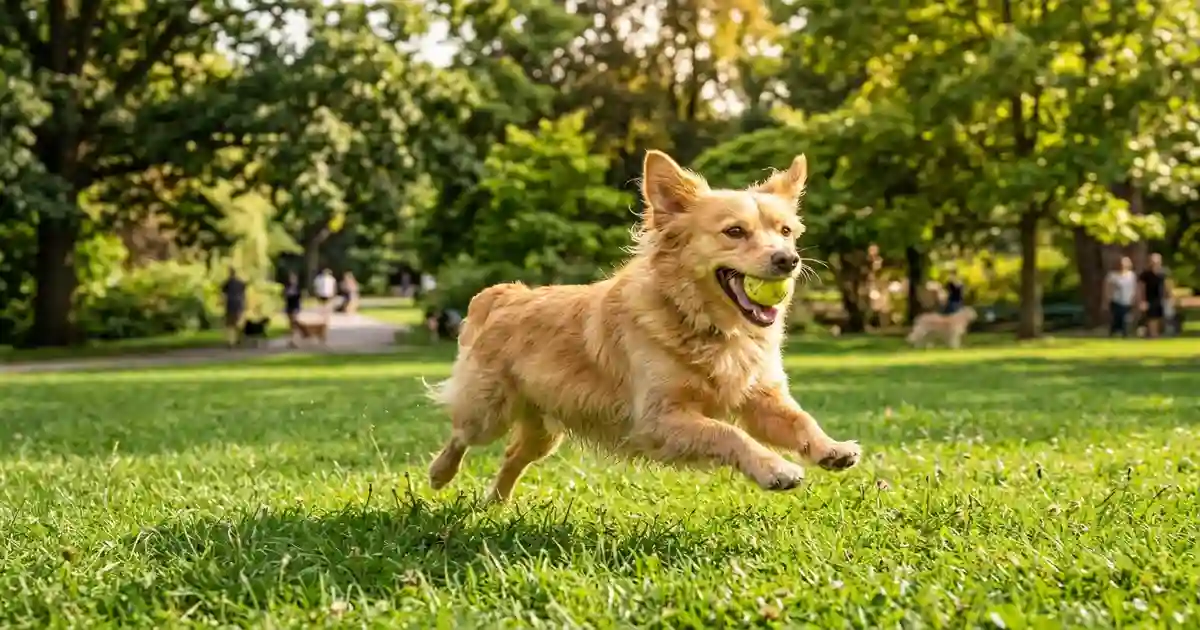
Exercise requirements for this mix land in a moderate range, generally needing 30 to 45 minutes of activity per day split across one or two walks along with some playtime. Dogs that lean more toward the Golden Retriever side often benefit from additional physical activity like fetch or swimming, drawing on the breed’s natural retrieving instinct.
Smaller individuals with more Chihuahua influence may tire more quickly and do fine with shorter, more frequent walks rather than one long outing. Mental stimulation matters just as much as physical exercise for this mix, since both parent breeds are intelligent and can develop boredom-related behaviors like excessive barking or chewing without enough engagement.
Ideal Living Conditions
This mix adapts reasonably well to different living situations, though the specific size a Golden Chi grows into affects what environment suits it best. A smaller individual can thrive in an apartment with regular walks, while a larger one closer to 30 pounds may appreciate more space to move around indoors.
Apartment Living vs. House With a Yard
A Golden Chi that leans smaller in size generally adapts well to apartment living, provided the owner commits to daily walks and some form of active play indoors. The Chihuahua side’s tendency toward alertness means apartment neighbors might notice more barking at hallway noises or nearby foot traffic compared to a purebred Golden Retriever.
A house with yard access offers more flexibility, particularly for larger individuals in this mix who benefit from extra room to burn energy. That said, a securely fenced yard matters more than sheer size here, since smaller Golden Chis can be vulnerable to birds of prey or larger animals if left unsupervised outdoors for long periods.
Training and Socialization Tips
Training a Golden Chi generally goes smoothly given the Golden Retriever side’s cooperative, food-motivated nature, though the Chihuahua side can introduce occasional stubbornness. Positive reinforcement methods using treats and praise tend to work better than correction-based approaches, especially for dogs that lean more heavily toward Chihuahua temperament traits.
Early socialization matters significantly for this mix, more so than it typically would for a purebred Golden Retriever. Exposing puppies to different people, sounds, and environments during the first few months helps counter the Chihuahua side’s natural wariness toward strangers, reducing the likelihood of excessive barking or reactive behavior later in life.
also read Potty Train a Golden Retriever Puppy
Managing Separation Anxiety in This Mix
Both parent breeds can be prone to forming intense attachments to their owners, which sometimes translates into separation anxiety in this mix. Signs include destructive chewing, excessive barking, or accidents indoors when the dog is left alone for extended periods.
Building tolerance for alone time gradually, starting with short absences and slowly increasing duration, helps prevent this issue from developing. Providing engaging toys or a comfortable, den-like space can also ease anxiety, giving the dog something to focus on besides the owner’s absence.
How Much Does a Golden Chi Cost?
Pricing for this mix varies significantly based on the breeder’s reputation, location, and the specialized breeding process involved. Because natural mating isn’t an option, the artificial insemination process adds veterinary costs that typically get factored into the final puppy price.
Reputable Breeder Price Range
Puppies from breeders who perform proper health screening, genetic testing, and veterinary-assisted breeding typically cost more than $1,000, reflecting the added expense and specialized care involved in producing this cross. Exact pricing varies by region and by the individual breeder’s practices, so getting quotes from multiple sources helps establish a realistic local range.
Extremely low prices, especially anything well under this range, often signal a backyard breeder cutting corners on health testing or veterinary oversight during the insemination process. Given how specialized this breeding method is, unusually cheap puppies deserve extra scrutiny before any commitment.
Adoption and Rescue Options
Because this cross is rare, finding one specifically through a shelter or rescue takes patience and isn’t guaranteed. Checking with local shelters, breed-specific rescue groups, and online rescue databases occasionally turns up a Golden Chi, particularly since designer mixes sometimes end up in rescue when owners underestimate their care needs.
Adoption fees are typically far lower than breeder prices, often covering vaccinations, spaying or neutering, and basic veterinary care already completed. Working with a rescue also means supporting a dog that already needs a home rather than contributing to further breeding of an already hard-to-produce cross.
How to Choose a Responsible Breeder
Finding a trustworthy breeder for this specific cross takes extra diligence given how uncommon and specialized the breeding process is. A responsible breeder should welcome questions and demonstrate transparency about their practices rather than rushing the sale.
- Ask for genetic testing results and health clearances for both the Golden Retriever mother and Chihuahua father
- Request to see where the puppies are raised, not just photos
- Confirm the breeder used veterinary-assisted artificial insemination rather than claiming natural breeding
- Ask about the mother’s health during and after pregnancy, given the size disparity involved
- Request veterinary records showing early vaccinations and checkups for the puppies
- Be wary of breeders unwilling to answer detailed questions or provide references from previous buyers
Taking time to vet a breeder thoroughly reduces the risk of supporting poor breeding practices and increases the odds of bringing home a healthier puppy.
Is a Golden Chi Right for You?
This mix suits people who want a moderately sized, affectionate dog without committing to the full size and grooming demands of a purebred Golden Retriever. Families with children can do well with this cross, provided the dog receives proper socialization early to counter any Chihuahua-linked wariness toward unfamiliar people.
First-time dog owners can generally handle this mix, since the Golden Retriever side’s trainability tends to make the learning curve manageable. However, households with very young children should supervise interactions closely if the puppy leans smaller in size, given how fragile small dogs can be around rough play. Apartment dwellers and house owners alike can accommodate this mix, though the specific adult size a puppy grows into will shape which living situation fits best. Anyone seeking a completely predictable outcome in size, coat, or temperament should approach this cross with realistic expectations, since variability is the defining feature of this particular combination.
Frequently Asked Questions
Is a chihuahua golden retriever mix hypoallergenic?
No. Golden Retrievers shed significantly, and this trait commonly passes into the mix regardless of coat length. Anyone managing pet allergies should look elsewhere, since neither parent breed is considered hypoallergenic, and mixed offspring don’t reliably avoid shedding just because of their Chihuahua ancestry.
How big does a golden chi actually get?
Adult weight typically falls between 15 and 30 pounds, though individual puppies can land anywhere in that range depending on which parent’s size genetics dominate. There’s no reliable way to predict final size before the dog reaches full maturity around 12 to 18 months old.
Are golden chis good with children?
Generally yes, especially with early socialization that builds on the Golden Retriever side’s naturally patient temperament. Supervision matters more with smaller individuals in this mix, since their compact frame can make them more vulnerable to injury during rough or unsupervised play with young kids.
Can you find one in a shelter?
Occasionally, though this cross remains rare enough that finding one through a shelter takes patience. Checking local shelters, breed-specific rescues, and online rescue databases regularly increases the odds, and adoption typically costs far less than buying from a breeder.
If you’re considering this mix, start by talking to veterinarians or breed-specific rescue groups in your area about availability and realistic expectations for size and temperament. Given how much variation exists within a single litter, meeting a puppy’s parents in person, when possible, offers a better sense of what your future dog might grow into than relying on breed averages alone.

Hi, I’m Jack Austin, founder of Cool Goldens. I share practical, research-backed advice on training, nutrition, and daily care to help you give your Golden Retriever the happiest, healthiest life possible.